
Tension and Trauma Release Exercises (TRE®) Benefits
How Humans Respond to Stress
Humans, like other animals, are constantly responding to cues of safety and threat in our environment. We have a very primal response that occurs spontaneously whenever we perceive danger.
While our basic stress responses share similarities with those of other animals, the kinds of situations humans perceive as threatening can be very different. Work pressures, relationships, uncertainty, conflict and other challenging life circumstances can all activate our stress response, even when there is no immediate physical danger.
Psoas: The ‘Fight or Flight’ Muscle
When we feel stressed or threatened, the body undergoes a range of physiological changes designed to prepare us to respond to danger. Stress hormones are released, our heart rate and breathing may change, and muscles throughout the body prepare for action.
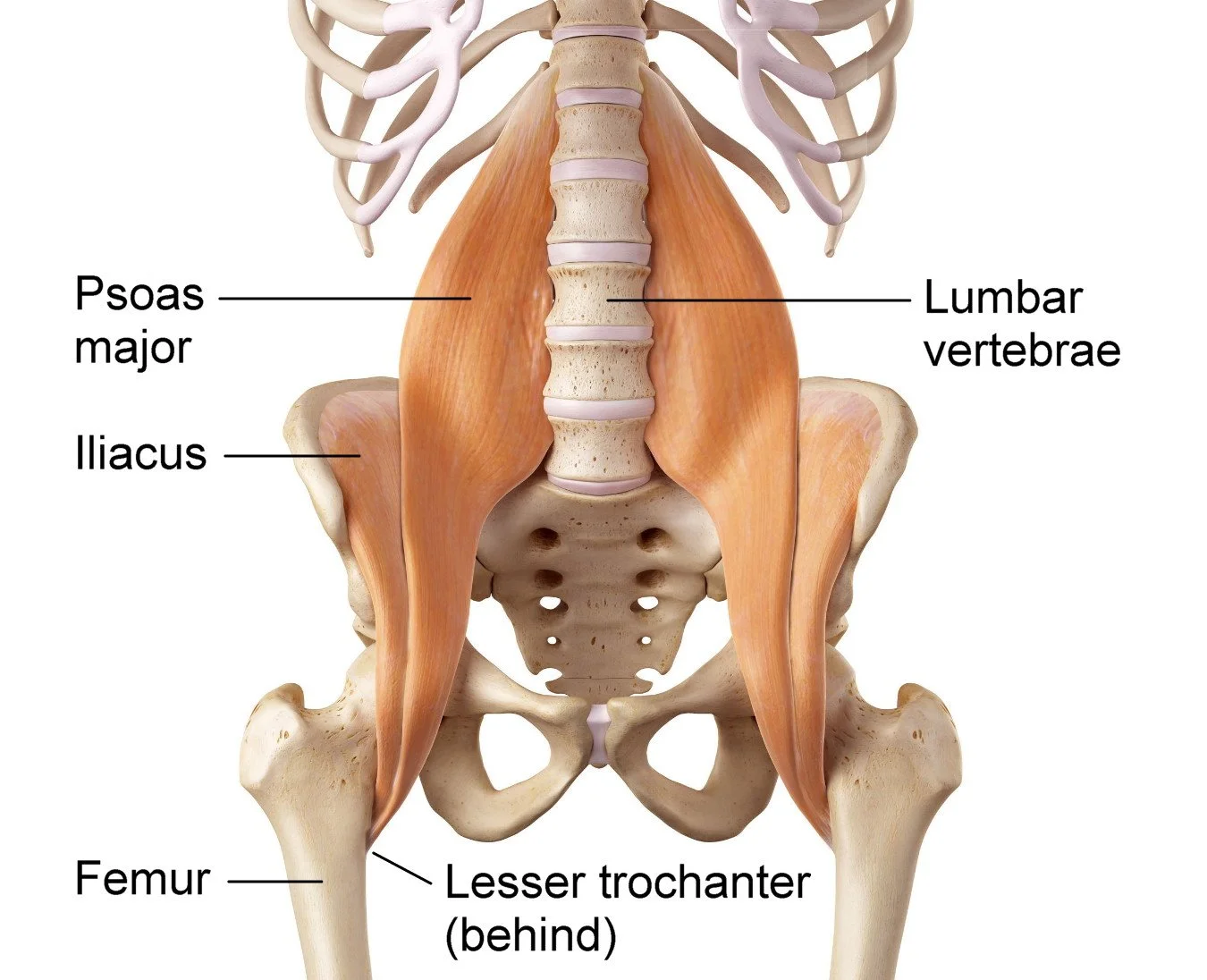
The psoas — a deep group of muscles connecting the spine, pelvis and legs — can be involved in this protective response. Like other muscles involved in bracing and movement, the psoas may become chronically tense when the body is repeatedly exposed to stress without sufficient opportunity to settle and recover.
Over time, ongoing stress and muscular tension can contribute to physical discomfort, fatigue and a persistent sense of being on alert.
The Stress-Anxiety Loop
Ideally, once a stressful or threatening situation has passed, the nervous system gradually settles and the body returns towards a more regulated state.
Sometimes, however, activation can persist even after the immediate stressor is gone. We may continue to experience muscular tension, restlessness, anxiety or a sense of being on guard. When this happens repeatedly, the nervous system can become accustomed to operating in a heightened state of activation.
Finding ways to safely release tension and support the nervous system to settle can help interrupt this cycle and restore a greater sense of ease and regulation.
Shaking and the Release of Tension
Tremoring and shaking are natural physiological responses that can occur during or following periods of intense activation. We can observe this response in both humans and other animals following stressful or threatening experiences.
Rather than suppressing this natural response, TRE® works intentionally with the body's capacity to tremor. When approached gradually and within a safe environment, tremoring can support the release of muscular tension and allow the body to move towards a more settled state.
The process does not require us to analyse or revisit stressful experiences. Instead, attention is brought to the body's own responses and its capacity for regulation.
Tension and Trauma Release Exercises (TRE®)
Created by Dr David Berceli, TRE® consists of a series of seven simple exercises designed to gently fatigue and activate particular muscle groups in the body, encouraging the emergence of neurogenic tremors.
Once activated, these involuntary tremors can move naturally through different areas of the body. Participants learn to allow the process while also regulating its intensity — slowing down, pausing or stopping whenever needed.
With practice, TRE® can become a simple body-based tool for releasing muscular tension, supporting nervous system regulation and cultivating a greater sense of connection with the body.
Reported Benefits of TRE®
People who practise TRE® commonly report benefits such as:
Deeper relaxation
Improved sleep
Reduced muscular tension and discomfort
Greater resilience to stress
Increased body awareness
A greater sense of grounding and presence
Increased energy and vitality
Improved capacity to relax and self-regulate
A greater sense of connection with themselves
Individual experiences with TRE® vary, and the practice is not intended as a replacement for medical or psychological treatment when this is needed.